
Humidity & Moisture Damage Roof Repair in Greensboro, NC
Repair for trapped moisture, blistering, ridging, and saturated insulation in Greensboro, NC commercial roofs. We trace the vapor drive to its source and fix the cause, not just the symptom.
Request A Roof Walk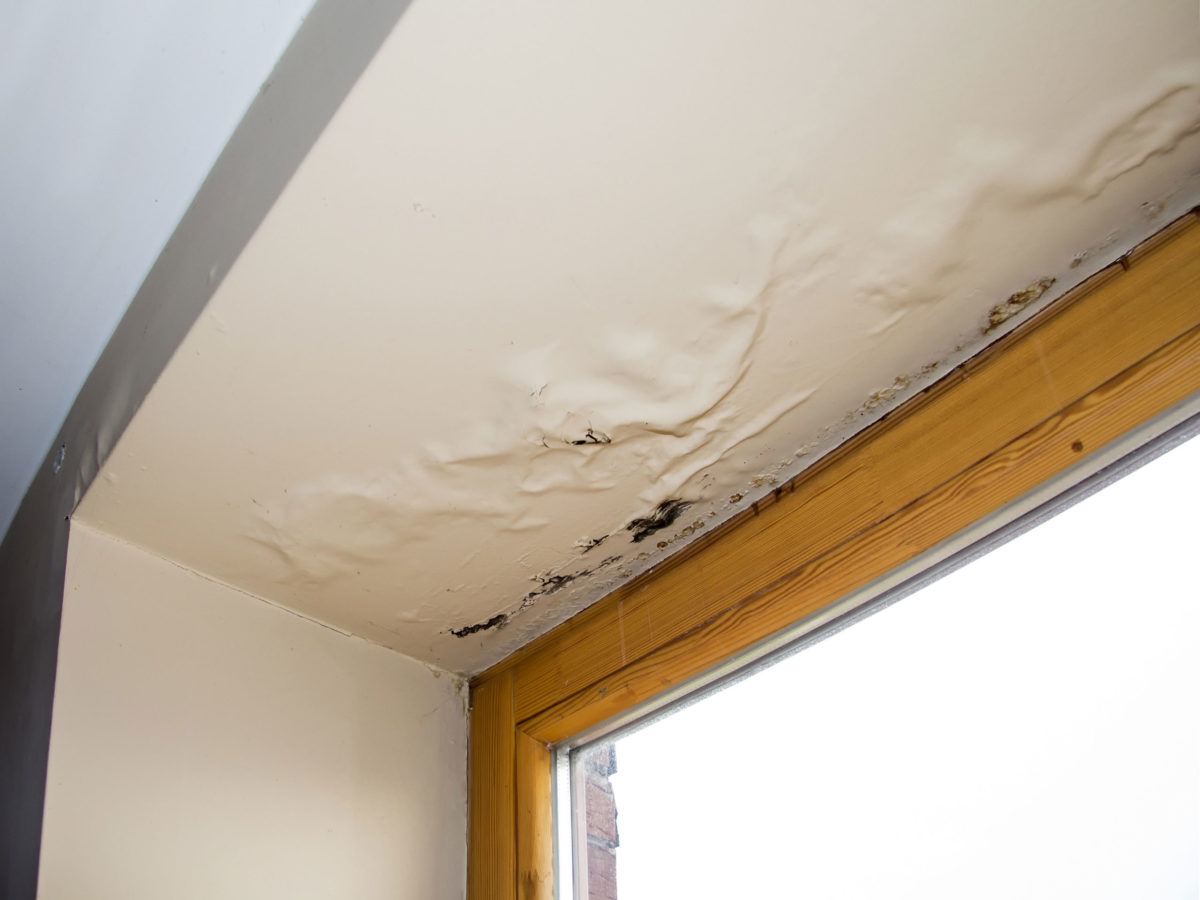
Some roof problems never start with rain. We get called to buildings around Greensboro where the membrane is intact, the flashings are sound, and the roof is still soaking wet inside — the water came from below, pushed up through the assembly as vapor by the building's own humidity. It shows up as soft blisters underfoot, long ridges running between insulation board joints, and a membrane that has quietly lifted off its substrate. By the time it is visible from the surface, the moisture has usually been working in the assembly for a season or two. This is a different failure than a leak, and chasing it like a leak is how owners end up paying for the same repair twice.
How Interior Humidity Wrecks a Roof From the Inside
Warm, moisture-laden air inside a conditioned building wants to move toward the cooler, drier air outside, and in our climate that drive runs upward through the roof for much of the year. When that vapor reaches a cold surface inside the assembly — the underside of the membrane on a winter night, for instance — it condenses into liquid water and stays there. The insulation soaks it up. Over time the trapped water has nowhere to go, so it does three things: it saturates the insulation and destroys its R-value, it corrodes the steel deck from the top side, and it builds vapor pressure under the membrane that pushes the sheet up into blisters. None of that requires a single drop of rain to get past the surface. We see it most on buildings that run high interior moisture loads — older mid-century plants near the rail lines, food and beverage operations, laundries, and any space where the original vapor control was an afterthought.
Blisters, Ridges, and Saturated Insulation
Each symptom tells us something. A blister is a pocket where vapor pressure or trapped moisture has delaminated the membrane from what is under it; left alone, blisters grow, thin at the crown, and eventually split open into an actual leak. Ridging — those straight raised lines that follow the insulation board layout — usually means moisture has gotten into the board joints and the boards are expanding, cupping, and telegraphing through the membrane. Saturated insulation is the quiet one: no surface drama, just a roof that has stopped insulating, drives up the building's cooling and heating load, and feeds steady corrosion into the deck below. We document which of these is present and where, because the pattern points back to the cause.
We do not guess at the extent of moisture, and we do not open a roof to find out. An infrared moisture survey, flown or walked in the cooling window after a sunny day, reads saturated insulation as warm zones that hold the day's heat longer than the dry roof around them. That gives us a map of where the wet is and roughly how far it has spread. We then confirm the map with core cuts at the flagged spots — pulling a plug shows us the actual insulation condition, whether the deck has started to corrode, and where the vapor retarder sits in the assembly. Greensboro's humid stretches make these surveys worth running on any commercial building that has not had one in three years, because wet insulation caught early is a patch and wet insulation caught late is a tear-off.
Why a Recover Over the Problem Just Buys You Time
The most expensive mistake we see is layering a new membrane over a humidity-damaged assembly without touching the vapor problem underneath. If the original vapor retarder was placed on the wrong side of the insulation — or was damaged, discontinuous, or never installed — the new roof inherits the exact trap that ruined the old one. In our climate the vapor retarder generally belongs low in the assembly, near the deck, so it stops interior moisture before it can reach a cold condensing surface higher up. Recovering over a misplaced retarder seals the moisture in and guarantees the blistering and saturation come back in the new system. Before we recover anything, we confirm the vapor control is right, and if it is not, correcting it becomes part of the scope.
When the infrared map shows moisture confined to a few discrete zones with dry insulation all around them, this is a repair: we cut out the saturated insulation, dry or replace the affected boards, address the deck if it has begun to corrode, and weld the membrane back in with new flashings around the patch. When saturated area runs past roughly a quarter to a third of the roof, or when the deck has corroded through from years of trapped water, patching stops making economic sense and we move to a full replacement with the vapor control corrected. We lay out both options with the survey results so the owner is deciding on evidence, not on a hunch.
Humidity & Moisture Damage Repair Questions
How do you find moisture that doesn't show on the surface?
An infrared survey run in the cooling window after a warm day reads saturated insulation as warm zones holding heat longer than the dry roof around them. We confirm every flagged area with a core cut, which also shows deck condition and where the vapor retarder sits.
What makes moisture get trapped inside the assembly here?
Interior humidity drives vapor upward through the roof in our climate. If the vapor retarder is on the wrong side of the insulation, damaged, or missing, that vapor condenses against cold surfaces inside the assembly and the insulation soaks it up — no rain leak required.
Can a humidity-damaged roof be repaired instead of replaced?
If the wet is confined to discrete zones with dry insulation around them, yes — we cut out the saturated material, treat the deck, and weld the membrane back in. Once saturation passes roughly a quarter to a third of the roof, or the deck has corroded, replacement with corrected vapor control is the better call.
How fast does this get worse if we wait?
Steadily. Wet insulation stops insulating, so HVAC costs climb, and trapped moisture corrodes the steel deck the whole time. A roof at fifteen percent saturation left two more seasons can easily read forty to fifty percent at the next survey — and a repair becomes a replacement.
Not by itself. Recovering over a misplaced or missing vapor retarder seals the moisture in and recreates the problem in the new system. We confirm the vapor control is correct first, and fix it if it isn't, before any recover goes down.